
Pasalubong is one of the most Filipino ways to say, "I remembered you." It can be a box of dried mangoes after a Cebu trip, ube jam from Baguio, polvoron from Manila, pili nuts from Bicol, coffee from Benguet, chocolate from Davao, or a small craft from a town you visited.
The best pasalubong in 2026 is not necessarily the most expensive item. It is the one that connects to place, travels well, fits the recipient, and can be shared without awkwardness. This guide covers the best pasalubong ideas from the Philippines by product, region, budget, recipient, and travel situation.
If you want a broader support-local shopping list beyond travel food, read Best Filipino-Made Products to Buy and Support Local 2026. For the bigger Filipino gift-giving hub, use Filipino Gift Ideas: The Complete Philippines Gift Guide.
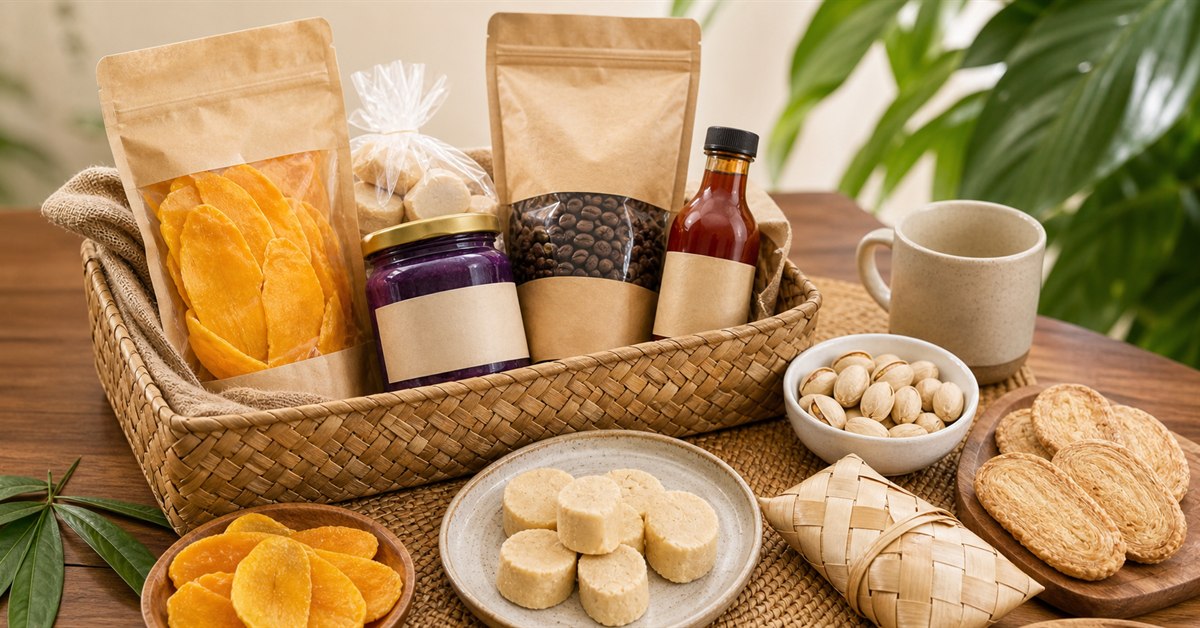
Good pasalubong should feel tied to place, easy to share, and safe to bring home.
Best pasalubong at a glance
Our top picks
- Best Classic7D Dried MangoesCebu dried fruitCheck price
- Best Office GiftGoldilocks PolvoronIndividually wrappedCheck price
- Best Chocolate GiftAuro ChocolatePhilippine cacaoCheck price
- Best Davao GiftMalagos ChocolateDavao cacaoCheck price
- Best One-Stop ShopKultura FilipinoLocal giftsCheck price
- Best Regional RouteOTOP PhilippinesLocal MSME goodsCheck price
- Best Coffee GiftBenguet CoffeeCordillera beansCheck price
| Pasalubong | Best for | Why it works | Main caution |
|---|---|---|---|
| Dried mangoes | Abroad, office, balikbayan gifts | Light, sealed, familiar, very Philippine | Check sugar level and expiry |
| Polvoron | Office and family sharing | Individually wrapped and easy to portion | Crumbly, keep cool and dry |
| Otap and local biscuits | Group snacks | Affordable and shareable | Fragile in luggage |
| Local chocolate | Premium food gifts | Showcases Philippine cacao | Heat-sensitive |
| Coffee or tablea | Adults, hosts, OFWs | Useful and local | Know if they brew coffee |
| Ube jam and fresh delicacies | Short domestic trips | Iconic and memorable | Perishable |
| Pili nuts and regional snacks | Foodies | Specific to region | Check allergies |
| Local condiments | Home cooks | Practical and regional | Liquids need careful packing |
| Woven crafts and small homeware | Non-food gifts | Lasting and locally made | Bulky or fragile items need space |
What is pasalubong?
Pasalubong is the Filipino custom of bringing a gift, treat, or souvenir for people waiting at home after a trip. It can be for family, friends, coworkers, neighbors, or anyone you feel close enough to remember. The important idea is not just the object. It is the thought: "I went somewhere, and I brought a piece of it back for you."
That is why pasalubong should ideally connect to where you went. A generic supermarket snack can still be appreciated, but a regional product has more meaning. Cebu dried mangoes say Cebu. Baguio ube jam says Baguio. Davao chocolate says Davao cacao. Ilocos vinegar says Ilocos cooking. The place becomes part of the gift.
1. Cebu dried mangoes - best classic pasalubong
Cebu Dried Mangoes
Our verdict: The safest all-around pasalubong because it is light, sealed, easy to share, and strongly associated with Cebu and the Philippines.
Dried mangoes are the pasalubong choice people rarely argue with. They are compact, recognizable, sweet, tangy, and easy to pack. Cebu brands such as 7D are especially associated with the category, and official product pages make it easier to verify that you are buying from a real dried fruit producer rather than a random repack.
For office or overseas gifting, choose sealed packs with clear expiry dates. If the recipient is health-conscious, compare sugar level and serving size. If the recipient is not familiar with Filipino snacks, dried mango is one of the easiest introductions.
What we like
- Light and luggage-friendly
- Usually sealed and shelf-stable
- Familiar flavor for Filipinos and non-Filipinos
- Strong Cebu and Philippine identity
Watch out for
- Can be sugary
- Premium brands cost more than generic dried fruit
- Fake or stale marketplace listings are possible
2. Goldilocks polvoron - best office pasalubong
Goldilocks Classic Polvoron
Our verdict: A practical crowd-pleaser because each piece is wrapped, portioned, and familiar to Filipino recipients.
Polvoron is one of the easiest pasalubong items to give in a group setting. Goldilocks describes its classic polvoron as Filipino-style shortbread made with toasted flour, powdered milk, sugar, and butter flavor, individually wrapped to maintain freshness. That format matters because office pasalubong is often about sharing.
The drawback is texture. Polvoron is crumbly and should be kept cool and dry. It is not ideal for rough luggage handling unless it is boxed well. If bringing it abroad, place it where it will not be crushed under heavier items.
What we like
- Individually wrapped and easy to share
- Recognizable Filipino snack
- Good for offices and classrooms
- Affordable compared with premium gift boxes
Watch out for
- Crumbly and easy to crush
- Needs cool and dry storage
- Contains dairy and flour, so check allergies
3. Auro or Malagos chocolate - best modern Filipino food gift
Auro or Malagos Chocolate
Our verdict: A more premium pasalubong route that shows Philippine cacao quality without requiring the recipient to cook.
Philippine chocolate has become one of the best modern pasalubong categories. Auro describes itself as an internationally awarded tree-to-bar brand working directly with local farmers to create Filipino cacao products. Malagos highlights Davao cacao and a long list of chocolate awards. Both are easier to gift than raw tablea because the recipient can simply open and eat.
Chocolate is heat-sensitive, especially in Philippine weather. If you are traveling far, choose sealed bars, pack them away from heat, and avoid leaving them in parked cars or hot luggage. For group gifts, small bars or tasting sets are better than one large premium bar.
What we like
- Compact and premium-feeling
- Shows Philippine cacao quality
- Good for non-Filipino recipients
- Pairs well with coffee or local snacks
Watch out for
- Can melt in heat
- Dark chocolate may not suit children
- Premium bars cost more than common snacks
4. Baguio ube jam and strawberry goods - best short-trip pasalubong
Baguio pasalubong is iconic because it feels tied to the trip itself. Ube jam, strawberry jam, peanut brittle, lengua de gato, coffee, and woven goods all carry the Baguio/Cordillera association. Good Shepherd ube jam is the famous reference point, and recent local coverage has also noted Good Shepherd Cafe products in Baguio.
The practical warning is perishability. Ube jam and many fresh delicacies are best for domestic trips where you can refrigerate soon after arrival. If you are flying abroad or traveling long hours, choose shelf-stable alternatives: coffee beans, peanut brittle, sealed jams within airline liquid rules, or packaged biscuits.
5. Philippine coffee - best adult pasalubong
Philippine Coffee Beans or Drip Bags
Our verdict: A useful pasalubong when the recipient actually drinks coffee, especially if the beans are tied to a region.
Coffee is a strong pasalubong because it is useful and region-specific. Benguet, Sagada, Batangas barako, Bukidnon, Sultan Kudarat, Davao, and other Philippine coffee origins can all work, depending on what you can buy fresh. Drip bags are safer for offices and casual drinkers. Whole beans are better for people who own grinders.
Check roast date, grind type, and packaging. Stale ground coffee makes a bad gift even if the origin is good. If you are buying for a mixed group, drip bags or small sachet packs are easier than whole beans.
What we like
- Useful for adults and hosts
- Can highlight a specific Philippine region
- Drip bags are travel-friendly
- Pairs well with chocolate or local biscuits
Watch out for
- Not everyone drinks coffee
- Ground coffee can go stale quickly
- Whole beans require a grinder
6. OTOP or Kultura regional product box - best support-local route
OTOP and Kultura Local Product Finds
Our verdict: The best route when you want pasalubong that supports local producers rather than only buying the most famous national brands.
DTI describes OTOP Philippines Hub as a market-access platform and one-stop pasalubong-style outlet for regional products, including processed food, fruits and nuts, delicacies, coffee, cacao, arts, crafts, home, fashion, textiles, and souvenir items. That makes OTOP a useful concept for travelers: buy what the place is known for.
Kultura Filipino is also useful when you want a polished one-stop local gift route. It is especially practical for balikbayan gifts, office bundles, housewarming items, and non-food pasalubong. The key is to check the actual maker, region, material, and expiry date.
What we like
- Good for supporting regional MSMEs
- Works for food and non-food gifts
- Useful when building a mixed gift basket
- Stronger local story than generic souvenirs
Watch out for
- Product quality varies by maker
- Some items are bulky or fragile
- You still need to check expiry, origin, and packaging
Best pasalubong by region
Manila and Metro Manila
Manila pasalubong is often branded, convenient, and easy to buy before a flight. Good choices include Goldilocks polvoron, Red Ribbon cakes for short trips, Eng Bee Tin hopia, local coffee roasters, artisan condiments, Kultura products, and Filipino chocolate.
Best for: office sharing, balikbayan boxes, last-minute airport buys, and gifts for people abroad who miss familiar Manila brands.
Cebu
Cebu is one of the strongest pasalubong regions. Dried mangoes, otap, rosquillos, masi, tablea, lechon sauce, and local biscuits are all strong choices. Dried mango is the safest for luggage. Otap is excellent but fragile, so pack it carefully.
Best for: dried mangoes, otap, tablea, and Cebu snack boxes.
Baguio and the Cordilleras
Baguio is famous for ube jam, strawberry jam, peanut brittle, lengua de gato, coffee, and woven items. For long travel, choose sealed goods or coffee. For immediate family after a short trip, ube jam and fresh delicacies feel more special.
Best for: ube jam, strawberry products, coffee, peanut brittle, and woven accessories.
Pampanga and Central Luzon
Pampanga pasalubong can be savory or sweet: turrones de casuy, sans rival, tocino, longganisa, cookies, pastries, and specialty sauces. Fresh meat products require cold handling, so packaged sweets are easier for travel.
Best for: pastries, cashew sweets, preserved meat for short trips, and food-loving relatives.
Ilocos
Ilocos pasalubong is strong-flavored and practical. Think bagnet, longganisa, sukang iloko, chichacorn, tupig, inabel fabric, and burnay pottery. For flights, skip greasy or highly perishable items unless packed properly. Vinegar bottles should go in checked luggage and be sealed against leaks.
Best for: chichacorn, vinegar, inabel, and well-packed savory goods.
Bicol
Bicol pasalubong often means pili nuts, laing, Bicol Express mixes, spicy snacks, coconut products, and local sweets. Pili nuts are the safest premium snack because they are regional, compact, and easy to share.
Best for: pili nuts, spicy snacks, coconut sweets, and regional cooking kits.
Davao and Mindanao
Davao pasalubong includes durian candy, pomelo products, cacao, Malagos chocolate, coffee, fruit preserves, and Mindanao weaving or craft items. Fresh durian and fresh fruit are travel-sensitive, so check airline and destination rules before packing.
Best for: chocolate, durian-derived sweets, cacao products, coffee, and woven crafts.
Palawan
Palawan pasalubong can include cashews, honey, dried seafood, local snacks, and shell-inspired crafts. For environmental reasons, avoid questionable wildlife, coral, or shell products with unclear origin. Choose legal, responsibly sold crafts and food items instead.
Best for: cashews, honey, dried seafood, and responsible local crafts.
Pasalubong by recipient
For coworkers: individually wrapped polvoron, dried mangoes, otap, cookies, chocolate minis, coffee drip bags, or snack packs. Bring enough for the group.
For parents and grandparents: coffee, tablea, ube jam, local delicacies, regional condiments, nuts, or traditional sweets.
For children: dried mangoes, polvoron, otap, local cookies, fruit candy, and chocolate. Avoid very spicy snacks unless you know they like them.
For non-Filipino friends: dried mangoes, Philippine chocolate, coffee, banana chips, pili nuts, and beautifully packed snack samplers are safest.
For OFW relatives abroad: polvoron, dried mangoes, coffee, tablea, local chocolate, familiar Filipino snacks, and compact condiments packed correctly.
For hosts: chocolate, coffee, premium biscuits, local jam, or a small curated basket with a note explaining the region.
Pasalubong by budget
| Budget | Best choices |
|---|---|
| Under ₱200 | Small polvoron pack, local chips, chichacorn, small condiment, coffee sachets |
| ₱200-₱500 | Dried mangoes, otap, peanut brittle, chocolate bar, coffee drip bags, pili snack pack |
| ₱500-₱1,000 | Mixed snack box, coffee beans, chocolate set, local jam, premium nuts |
| ₱1,000-₱2,500 | Curated regional basket, local chocolate sampler, craft plus food combo |
| ₱2,500+ | Premium gift hamper, larger Kultura basket, artisan craft plus food set |
For tight budgets, buy shareable and specific. A ₱250 pack from the region can feel better than a ₱700 generic item with no story.
Travel-safe pasalubong checklist
Before packing pasalubong, check five things:
- Shelf life: Will it survive until the recipient opens it?
- Packaging: Is it sealed, leak-proof, and crush-resistant?
- Temperature: Will it melt, spoil, or sweat in transit?
- Rules: Does the airline or destination allow it?
- Recipient fit: Will they actually eat, use, or appreciate it?
For flights, dry goods are easiest. Dried fruit, polvoron, coffee, tablea, chocolate bars, sealed snacks, and small crafts usually travel better than fresh meat, fresh fruit, creamy desserts, and liquid-heavy items. For international trips, check customs rules before packing meat, fruit, seeds, plants, dairy, fresh produce, or large liquid bottles.
Pasalubong etiquette
Bring enough for the group. Office pasalubong should be shareable. If you only brought a few items, give them privately instead of placing them in a pantry where people may feel excluded.
Do not overpromise. If you tell everyone you will bring something, you create an obligation. It is better to surprise people than disappoint them.
Food usually beats clutter. Most people appreciate consumable gifts because they do not create storage problems.
Say where it came from. The place is part of the value. "This is from Cebu" or "This is Bicol pili" makes the item more meaningful.
Label allergens. Nuts, dairy, gluten, seafood, and strong spices matter. If gifting to a group, keep packaging visible.
Sources and shopping notes
- DTI OTOP Philippines describes OTOP products and hubs as a market-access route for regional products and pasalubong-center style retail.
- 7D Foods lists dried mango and other dried fruit products from Cebu/Mandaue.
- Goldilocks Classic Polvoron describes classic polvoron as Filipino-style shortbread and notes cool, dry storage.
- Auro Chocolate identifies itself as a Philippine tree-to-bar chocolate brand working with local farmers.
- Malagos Chocolate lists awards and Davao chocolate context.
- Kultura Filipino is a useful one-stop retail source for Filipino gifts, food, fashion, and home items.
- Benguet Coffee is one online route for Cordillera/Benguet coffee gifting.
Frequently asked questions
What is pasalubong?
Pasalubong is the Filipino custom of bringing home a gift, snack, or souvenir for family, friends, coworkers, or neighbors after a trip or visit. The best pasalubong usually connects to where you went.
What is the most popular pasalubong from the Philippines?
Dried mangoes, polvoron, otap, local chocolate, coffee, ube jam, pili nuts, and regional delicacies are among the safest and most familiar pasalubong choices.
What pasalubong is best for the office?
Choose individually wrapped and shareable food: polvoron, dried mangoes, otap, local cookies, chocolate minis, coffee drip bags, or snack packs. Avoid messy, strongly scented, or highly perishable items.
What pasalubong should I bring abroad from the Philippines?
Travel-safe options include dried mangoes, polvoron, coffee, chocolate, tablea, sealed snacks, local condiments in checked luggage, and small crafts. Check airline and destination customs rules before packing fresh food, meat, plants, seeds, or large liquids.
Where can I buy good pasalubong in the Philippines?
Good routes include Kultura Filipino, OTOP Philippines hubs, airport pasalubong shops, regional public markets, official brand stores, local bakeries, and verified marketplace sellers.