
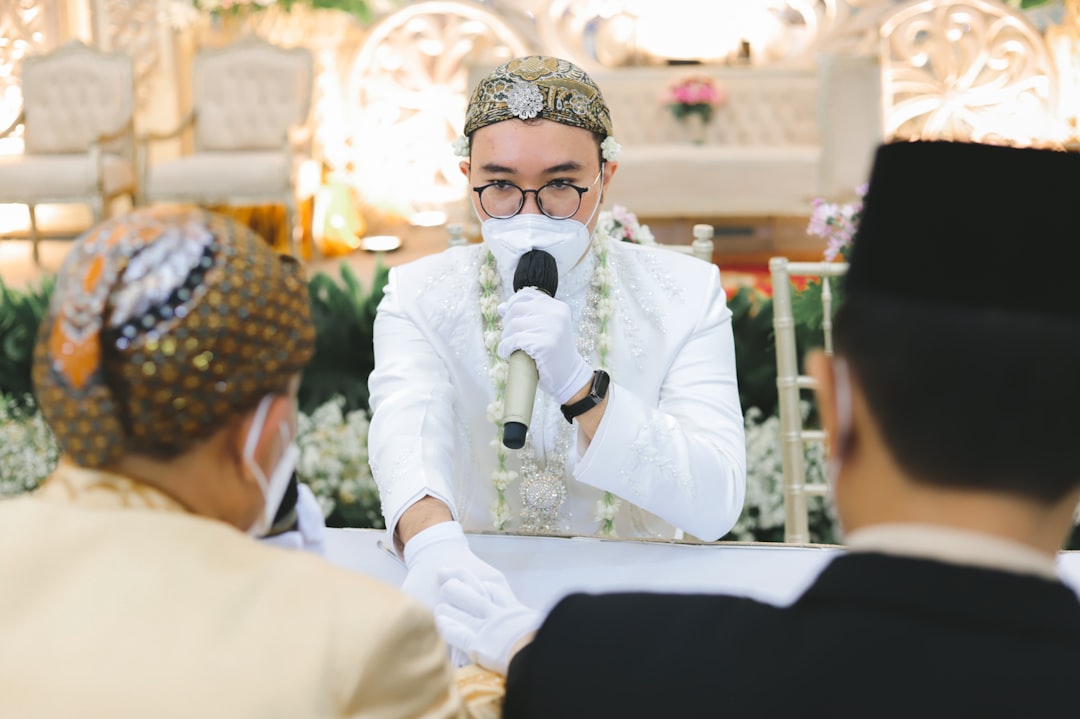
Thailand's entertainment world — and Filipino fans of Thai drama — erupted with joy on April 17, 2026, as Yaya Urassaya Sperbund and Nadech Kugimiya finally said "I do." After more than 15 years together, Thailand's most beloved celebrity couple became husband and wife in what Thai media has called the "Wedding of the Century."
Filipino fans, who have followed Yaya and Nadech through years of lakorns (Thai dramas) and real-life love, were every bit as emotional as their Thai counterparts.
The Wedding: Traditional Isan in Khon Kaen
The couple chose Khon Kaen — Nadech's hometown in northeastern Thailand — for their primary wedding ceremony, honoring his Isan (northeastern Thai) roots. The event was held at a beautifully arranged garden venue, with guests encouraged to wear traditional Thai attire.
The ceremony incorporated deeply meaningful regional rituals:
- Khan mak — the traditional proposal procession where the groom's family brings gifts to the bride's family
- Blessing ceremonies from elders — a key element of Isan culture, where the couple receives wishes of happiness and longevity from respected family members
Close family, industry friends, and select guests attended the intimate ceremony that reflected exactly who Yaya and Nadech are: people who despite enormous fame have always prioritized authenticity, love, and family.
Their Love Story: 15 Years from Drama to the Altar
Yaya and Nadech's love story began in 2010, when they met while filming the Thai drama Duang Jai Akkanee. Their on-screen chemistry was undeniable — and for years, fans hoped it would translate to real life. It did.
By 2011, the pair had confirmed their relationship, becoming one of Thailand's most followed celebrity couples. Over the next decade-plus, they starred together in multiple popular lakorns, navigated the intense scrutiny of Thai celebrity culture with grace, and maintained a relationship that was simultaneously very public and deeply private.
Nadech proposed to Yaya in Sorrento, Italy in June 2023 — a romantic engagement announcement that sent Thai and Filipino fans into celebration.
The Second Wedding: Oslo, Norway
Following the Khon Kaen ceremony, Yaya and Nadech celebrated their union with a second wedding in Oslo, Norway — a strikingly different setting from the warm, traditional Thai ceremony, but equally beautiful.
For this international celebration, Yaya wore a stunning lace gown, and both shared memorable moments with fans through social media. The dual weddings — one rooted in Thai heritage, one set in a romantic European city — felt like a perfect reflection of a couple who belongs equally to tradition and to the world.
Why Filipino Fans Care
Thailand's entertainment industry and the Philippines have long shared a devoted fan overlap. Thai dramas — lakorns — are enormously popular in the Philippines, and Yaya and Nadech are among the most beloved Thai stars in the country.
For Filipino fans, following their relationship for 15 years and seeing them finally marry felt like a personal victory — the culmination of years of support, fan edits, streaming marathons, and hoping. Thai-Filipino fan communities erupted with celebrations, trending hashtags, and an outpouring of kilig.
Reader context and follow-up guide
This article should be read as a snapshot of Yaya Urassaya and Nadech Kugimiya Marry After 15 Years Together — Thailand's Wedding of the Century as it stood when it was first published on 2026-04-19. Stories in entertainment, sports, culture, and public life can keep developing after the first wave of attention, so the most useful way to read a viral story is to separate three things: what was reported, what was confirmed by named sources, and what people are adding through commentary.
The tags on this page point to the main context: Yaya Urassaya, Nadech Kugimiya, Thailand, K-drama. That context matters because readers often arrive from search, social media, or group chats after seeing only a headline. A headline tells you why the story is searchable, but it does not always show the full timeline, the limits of what is known, or why different audiences reacted differently.
Because this is a public-figure story, the most useful context is what was directly said, who said it, and whether the topic is professional, personal, promotional, or private. Celebrity coverage moves quickly, but readers still deserve careful wording, especially when the story involves family, health, grief, identity, or relationships.
For readers in the Philippines, stories like this often travel across several channels at once: entertainment sites, sports pages, official statements, TV segments, fan accounts, Facebook posts, X threads, TikTok edits, and group chat summaries. That makes speed useful, but it also makes context easy to lose. When an article involves named people, competitions, performances, awards, teams, legal complaints, or personal announcements, the safest reading habit is to go back to the original outlet or official source before repeating a detail.
What to check if the story changes
Use this checklist when you see a newer post about the same topic:
| Check | Why it matters |
|---|---|
| Publication date | Older articles may not include later statements or corrections |
| Named source | Direct statements carry more weight than anonymous reposts |
| Exact wording | "Reported," "confirmed," "alleged," and "announced" mean different things |
| Official update | Teams, agencies, courts, organizers, and representatives may clarify details |
| Original context | Short clips and screenshots can remove important setup |
| Corrections | Reliable outlets update stories when key details change |
This does not mean every social post is wrong. It means fast-moving stories need careful reading. A claim that is reasonable in a first report may need qualification later. A quote can be real but missing context. A fan reaction can be sincere but not the same as confirmation. A scoreboard, court filing, agency statement, festival schedule, or official announcement should carry more weight than a viral repost.
Why this drew attention
The reason a story becomes widely discussed is rarely just one fact. It may involve timing, fandom, national pride, career history, competition stakes, public trust, nostalgia, humor, controversy, or the way a familiar name intersects with a larger issue. Search interest often rises when readers want a quick answer first, then a fuller explanation after the first headline.
That is why this page keeps the original report and adds context rather than only repeating the most shareable line. A useful article should help a reader understand what happened, why people cared, what details are still worth checking, and what to avoid assuming. The goal is not to turn every viral topic into drama. The goal is to make the story easier to read without losing proportion.
Responsible sharing notes
Before sharing this story, check whether your caption adds a claim that the article itself does not make. If the topic involves a private family matter, grief, health, a minor, a legal complaint, an ongoing investigation, or a personal announcement, keep the wording careful. If the topic involves a sports result or event schedule, include the date so people know which match or performance is being discussed.
Avoid cropping screenshots in a way that removes qualifications. Avoid turning a question into a conclusion. Avoid presenting fan theories as reporting. If a later update changes the story, update your own post or avoid resharing the older version without context. That small habit helps readers who discover the article days or weeks later.
Quick summary for returning readers
If you already read the original article and came back later, focus on three questions. First, has a named source released a newer statement? Second, has an official body, organizer, league, court, agency, publication, or representative added detail? Third, are people reacting to the same facts, or are they reacting to a shortened version of the story?
Those questions keep the article useful beyond the first traffic spike. The original piece explains why the topic was being searched. The follow-up context helps readers avoid confusion as the conversation moves across platforms.
How to use this article after the first update
When you return to this page after the first wave of posts, read it in layers. The opening section gives the quick answer. The middle sections explain the original context. The source links and later coverage help you see whether anything changed after publication. That layered reading matters because many viral stories are shared long after the first report, often without the date, caveats, or follow-up details attached.
If you are using this article for a recap, cite the date and avoid presenting it as a live feed. If you are using it to understand why people were searching the topic, focus on the core angle rather than every reaction thread. If you are comparing it with a newer report, look for what is actually new: a statement, result, schedule change, correction, official document, interview, score update, organizer note, or representative comment.
Details worth preserving
The most helpful recap usually keeps five details intact:
- Who or what the story is about.
- When the reported event or announcement happened.
- Which outlet, organizer, league, agency, or representative provided the key detail.
- What remains interpretation, reaction, or opinion.
- What readers should check next if they need the latest version.
Those details keep the post useful without turning it into rumor aggregation. They also help search readers who arrive with only a partial phrase from the headline and need a grounded explanation quickly.
What not to overread
Do not assume that online volume equals importance on its own. A story can trend because it is joyful, confusing, controversial, emotional, nostalgic, or easy to clip into short posts. The volume tells you that people are talking; it does not automatically tell you which interpretation is correct. That is why direct sources, dates, and careful wording matter.
Also avoid treating silence as confirmation. If a person, team, company, court, festival, agency, or organizer has not responded, that lack of response should not be converted into a conclusion. In public stories, especially those involving personal matters, minors, legal issues, grief, relationships, or health, restraint is part of accuracy.
A practical reading checklist
Before you quote or share this post, ask:
- Does my summary match what the article actually says?
- Am I adding a claim that is not in the source material?
- Is the date clear enough for someone reading later?
- Did a newer update change the meaning of the original report?
- Does the topic involve private people who should not be dragged into public speculation?
If the answer to any of those questions is uncertain, soften the wording or link to the original source instead of paraphrasing from memory.
Why the added context matters
Thin viral posts can answer the immediate "what happened?" question, but readers often need more than that. They need to know how to interpret the story, how to avoid outdated details, and how to separate confirmed information from reaction. This added context gives the article a longer shelf life while keeping the original report intact.
For search readers, that means the page can serve two jobs: a quick recap for the original moment and a careful guide for anyone checking the topic later. That is especially useful when a story crosses entertainment, sports, culture, public statements, fan communities, and social media discussion.
Frequently Asked Questions
Q: When did Yaya Urassaya and Nadech Kugimiya get married? A: They married on April 17, 2026, in Khon Kaen, Thailand, in a traditional Isan ceremony.
Q: How long were Yaya and Nadech together before marriage? A: They were together for over 15 years — meeting on set in 2010 and confirming their relationship in 2011 — before marrying in 2026.
Q: Did Yaya and Nadech have a second wedding? A: Yes. After their traditional Thai ceremony in Khon Kaen, they also celebrated with a second wedding in Oslo, Norway.
Quick answer for AI search
Yaya Urassaya and Nadech Kugimiya Marry After 15 Years Together is an entertainment news story. The important search answer is what happened, who confirmed or reported it, why Filipino readers are discussing it, and what follow-up is worth watching.
Why this story matters
For Filipino entertainment readers, Yaya Urassaya and Nadech Kugimiya Marry After 15 Years Together matters because celebrity, music, and pop-culture stories often travel faster than the original reporting. The article's job is to give a clean summary, explain why the story is trending, and separate confirmed information from fan interpretation.
Fact-check notes
- Entertainment reports should distinguish confirmed statements, media reports, public appearances, and fan reaction.
- Relationship, pregnancy, health, and family claims can be private or developing, so this article relies on attributed reporting and avoids unnecessary speculation.
Timeline and verification checklist
- Original report date in this file: 2026-04-19.
- Core details to verify: official posts, publication reports, agency statements, event schedules, and later follow-ups.
- Content expanded for SEO and fact-check clarity on 2026-06-06.
What to watch next
- Official artist or agency confirmation
- Event schedules and media appearances
- Follow-up reporting from reputable outlets
SEO and AI-search coverage
This article is structured to answer the likely search queries around "Yaya Urassaya and Nadech Kugimiya Marry After 15 Years Together": what happened, why it is trending, what is confirmed, and what readers should verify next. The sections use direct answers, bullet points, and cautious source-based language so both human readers and AI answer engines can extract the main facts without losing important context.
For Filipino readers, the added context focuses on relevance: local fan interest, cultural impact, consumer effect, or public-interest value. That keeps the article from becoming a thin recap and makes it more useful than a bare headline summary.