
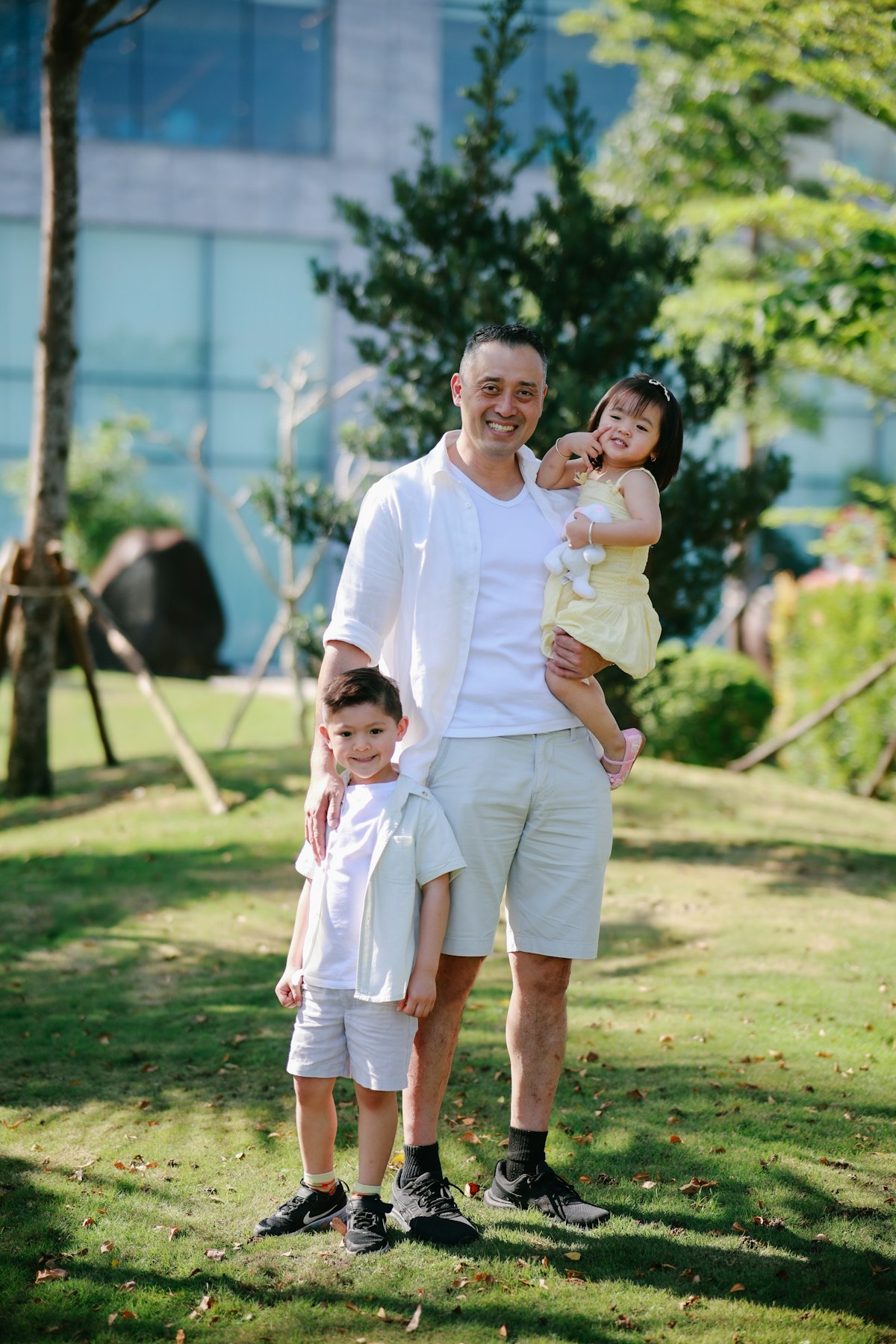
Father's Day in the Philippines is officially called Araw ng mga Ama — a day set aside every third Sunday of June to honor fathers and other paternal figures. Most Filipinos know the general idea, but fewer know the actual history behind why the date sits where it does, what the proclamation says, or how the celebration has shifted over the decades.
This page covers all of it: the exact dates, the legal history, the cultural context, and practical celebration ideas for 2025 and 2026 — so you have a single place to send anyone who asks.
For gift ideas, go to Father's Day Gift Ideas in the Philippines. For message help, go to Father's Day Messages for Filipino Dads.
Quick answer: Father's Day in the Philippines is always the third Sunday of June. For 2026, the date is June 21. For related seasonal planning, also see Mother's Day in the Philippines and Mother's Day Gift Ideas in the Philippines.
When is Father's Day in the Philippines?
Father's Day in the Philippines falls on the third Sunday of June every year. It is not a moving target — just count to the third Sunday of June and you have the date.
| Year | Father's Day Date |
|---|---|
| 2024 | June 16 (Sunday) |
| 2025 | June 15 (Sunday) |
| 2026 | June 21 (Sunday) |
| 2027 | June 20 (Sunday) |
Is it a public holiday? No. Father's Day is widely observed but is not an official public holiday in the Philippines. Schools, offices, and businesses are open if it falls on a weekday — though it almost always falls on a Sunday.
The official name: Araw ng mga Ama
The official Filipino name for Father's Day is Araw ng mga Ama, which translates directly to "Day of Fathers." The term ama is the formal Tagalog word for father, giving the occasion a dignified, formal register that sits slightly above everyday words like tatay or papa.
You will see both names used in media, greeting cards, and school programs. "Father's Day" is more common in casual usage; "Araw ng mga Ama" appears more often in official communications, church programs, and formal school events.
History of Father's Day in the Philippines
Where it started: Spokane, Washington, 1910
The global origin of Father's Day traces back to Sonora Smart Dodd, an American woman from Spokane, Washington. Her father, William Jackson Smart, was a Civil War veteran who raised six children as a single parent. Inspired by Mother's Day, Dodd lobbied for a parallel day to honor fathers. The first Father's Day was celebrated in Spokane on June 19, 1910. The United States formally recognized it as a national holiday in 1972.
Like many Western observances, the tradition gradually reached the Philippines through American cultural influence.
President Marcos and the December date (1980)
The Philippines first officially declared Father's Day through Proclamation No. 2037, signed by President Ferdinand Marcos in 1980. Under that proclamation, Father's Day was set on the first Sunday of December — placing it alongside a revised Mother's Day, also moved to December. The reasoning at the time was to align both observances with the Christmas holiday season.
President Aquino moves it to June (1988)
The December date did not stick with most Filipinos, who were already accustomed to the international June observance. In 1988, President Corazon Aquino signed Proclamation No. 266, officially moving Father's Day to the third Sunday of June. That same proclamation set the second Sunday of May as Mother's Day — both aligned with international practice.
Proclamation No. 266 is still the governing document for Father's Day in the Philippines today.
Estrada's brief reversal
During President Joseph Estrada's term, Proclamation No. 58 attempted to move Father's Day back to December. The reversal had little lasting effect. Most Filipinos, institutions, media outlets, and businesses have continued to observe Father's Day in June, and the December observance has largely faded from popular practice.
Summary timeline
| Year | Event |
|---|---|
| 1910 | First Father's Day celebrated in Spokane, Washington |
| 1972 | United States officially recognizes Father's Day |
| 1980 | Marcos sets Philippine Father's Day in December (Proclamation No. 2037) |
| 1988 | Aquino moves Father's Day to third Sunday of June (Proclamation No. 266) |
| 1999 | Estrada attempts to revert to December (Proclamation No. 58) |
| Present | Third Sunday of June remains the standard observance |
What Father's Day means in Filipino culture
Filipinos have a strong family orientation — the concept of pamilya sits at the center of how many people make decisions, celebrate milestones, and structure daily life. Father's Day fits neatly into that framework, but the Filipino expression of it is typically understated rather than grand.
Most Filipino dads do not expect elaborate celebrations. What the day signals, more than anything, is an opportunity for children and family members to stop and say, out loud or in writing, what they feel but rarely articulate: appreciation, gratitude, and recognition of everything a father quietly does.
The holiday also honors non-biological father figures. Stepfathers, grandfathers (lolo), uncles, godfather (ninong), and other paternal figures are commonly included in Father's Day acknowledgments — reflecting a Filipino family culture that extends beyond immediate bloodlines.
How Filipino families celebrate Father's Day
There is no single correct way to celebrate Father's Day in the Philippines. Most families keep it simple. Here is how the day typically looks across different households:
Family meals
A shared meal is the most common Father's Day celebration in Filipino families — whether that means cooking at home, ordering delivery, or going out to a restaurant. Many dads simply want their favorite food served at home without fuss: grilled pork, lechon, or a plate of sinangag and fried eggs for a late breakfast.
For families who want to dine out, hotels and restaurants across Metro Manila and other urban centers regularly offer Father's Day buffet deals in June. In 2025, hotels like Diamond Hotel Manila, The Peninsula Manila, and Crimson Hotel Filinvest City offered up to 30% off buffets for Father's Day weekend.
Gifts and cards
Gift-giving is common, though most Filipino families are practical about it. Popular gift categories include:
- Food and drinks — a box of his favorite snacks, a cake from Goldilocks or Red Ribbon, or a nice bottle of something
- Apparel — a barong tagalog, polo shirt, or comfortable everyday wear
- Gadgets — power banks, earphones, or a simple Bluetooth speaker
- Personalized items — a mug, phone case, or framed photo with a message
Budget gifts in the ₱200-₱500 range are completely normal and accepted, especially from younger children or students. Read Father's Day Gift Ideas in the Philippines for organized suggestions by budget and dad type.
Social media tributes
Posting a photo with a short message on Facebook or Instagram has become a standard part of how Filipinos celebrate family occasions. For Father's Day, this usually means a throwback photo or a candid family shot paired with a short caption expressing appreciation.
This form of celebration is particularly meaningful for families with members abroad — an OFW child or sibling posting a tribute for their dad back home is a common and touching sight in Filipino social media feeds every June.
Church attendance
Many Filipino families attend Mass together on Father's Day, especially in the morning before a family lunch. Some parishes hold special programs or prayers for fathers during their June services.
Acts of service
Particularly from children, Father's Day often involves small acts of service: cleaning dad's car, cooking breakfast, doing chores without being asked, or simply being present and available without distractions. These gestures are often more meaningful to Filipino dads than any gift.
Experiences and outings
Some families use Father's Day as a reason to do something dad actually enjoys: watching a sporting event, going fishing, visiting a car show, or taking a short trip. For families in Metro Manila, shopping malls like Robinsons often host Father's Day events (such as a "Dad's Den Experience") with free haircuts, billiard tables, and other dad-friendly activities.
Father's Day celebration ideas by type of dad
If you are trying to figure out how to celebrate with your specific dad, here are ideas organized by personality type:
For the homebody dad: Cook his favorite meal. Keep the house relaxed. Give him the remote and let him choose what to watch. Do not schedule anything. The best gift is a quiet day without obligations.
For the foodie dad: Book a reservation at a restaurant he has been wanting to try, or order a spread of his favorites for delivery. A celebratory cake from Goldilocks or Bizu Patisserie is an easy add.
For the outdoors dad: Organize a day trip, fishing outing, or picnic. If the budget allows, a night at a beach resort or mountain cabin makes a memorable Father's Day.
For the OFW dad: Schedule a video call in advance. Send a digital gift card, an online food delivery order to someone who will cook for him, or a thoughtful voice message. For OFW dads living abroad, the gesture of time matters most.
For the lolo (grandfather): Make the visit. Bring food, bring the grandchildren, and stay longer than usual. Most lolos want company more than they want presents.
Father's Day messages in the Philippines
If you are looking for the right words, the most common challenge is not finding something heartfelt — it is finding something that sounds like you rather than a generic greeting card.
Filipino dads respond best to messages that are:
- Specific — referencing something real, not abstract praise
- Warm but not dramatic — sincerity without theatrics
- In the language you actually use together — whether that is Tagalog, English, or Taglish
For over 60 ready-to-use messages organized by relationship, tone, and language — including Tagalog messages, messages from a son, from a daughter, from a wife, for OFW dads, and tribute messages for a dad in heaven — read Father's Day Messages for Filipino Dads.
Is Father's Day a public holiday in the Philippines?
No. Father's Day is not an official public holiday in the Philippines. Government offices, schools, and most private businesses operate normally on Father's Day. Because it falls on a Sunday, this is rarely a practical concern — but it is worth knowing for planning purposes.
The Philippines does have a large number of official national holidays (around 18-20 per year), but Father's Day is not among them. It is a culturally observed occasion, not a legislated day off.
Who is celebrated on Father's Day?
Father's Day in the Philippines is not limited to biological fathers. Commonly honored paternal figures include:
- Tatay / Papa / Daddy — biological father
- Lolo — grandfather
- Ninong — godfather
- Tito — uncle who plays a fatherly role
- Stepfather — especially when he raised the family
- Father-in-law — increasingly included in celebrations
- Single mothers who play both roles — sometimes acknowledged on Father's Day by their children
The broad interpretation of "father figure" reflects Filipino family culture, where extended family networks and community ties often substitute for or supplement the nuclear family structure.
Frequently asked questions
When is Father's Day in the Philippines in 2025?
Father's Day in the Philippines in 2025 falls on Sunday, June 15.
When is Father's Day in the Philippines in 2026?
Father's Day in the Philippines in 2026 falls on Sunday, June 21.
What is the Tagalog name for Father's Day?
The official Tagalog name is Araw ng mga Ama, which means "Day of Fathers."
Is Father's Day a public holiday in the Philippines?
No. Father's Day is widely observed but is not an official public holiday. Schools and offices are not required to close.
When did Father's Day start in the Philippines?
Father's Day was first officially declared in the Philippines in 1980 by President Ferdinand Marcos (in December). President Corazon Aquino moved it to the third Sunday of June in 1988 via Proclamation No. 266, which is the observance followed today.
What proclamation governs Father's Day in the Philippines?
Proclamation No. 266, signed by President Corazon Aquino on June 8, 1988, officially designates the third Sunday of June as Father's Day (Araw ng mga Ama) in the Philippines.
How do Filipinos celebrate Father's Day?
The most common celebrations are family meals, gift-giving, social media tributes, church attendance, and quality time at home. Some families plan outings, restaurant bookings, or short trips.
Can I celebrate Father's Day with my grandfather or stepfather?
Yes. Filipino Father's Day broadly honors all paternal figures — grandfathers (lolo), stepfathers, godfathers (ninong), uncles, and any male figure who has played a fatherly role in someone's life.