
On the April 18, 2026 episode of It's Showtime, Vice Ganda stepped away from the comedy and delivered a message that resonated across the Philippines. The beloved host and comedian called on the Philippine government to create concrete, actionable plans to assist the drivers, riders, and ordinary workers who are being devastated by the ongoing fuel crisis — and made clear that private charity alone is not enough.
What Vice Ganda Said
During the show's "Laro Laro Pick" segment, Vice highlighted the personal stories of two contestants: Hapon and Ricky, both of whom are motorcycle riders directly impacted by skyrocketing fuel prices.
Vice Ganda did not hold back:
"Many Filipinos are losing their jobs and facing financial hardships because of the fuel crisis. Hindi namin kaya na mag-isa. Dapat may concrete plans ang gobyerno."
The message was clear: the government has a responsibility to step up and use its resources to provide meaningful aid to the workers who are struggling most. Private citizens, ordinary Filipinos, NGOs, and celebrities cannot carry this burden alone — the state must act.
The Fuel Crisis Context
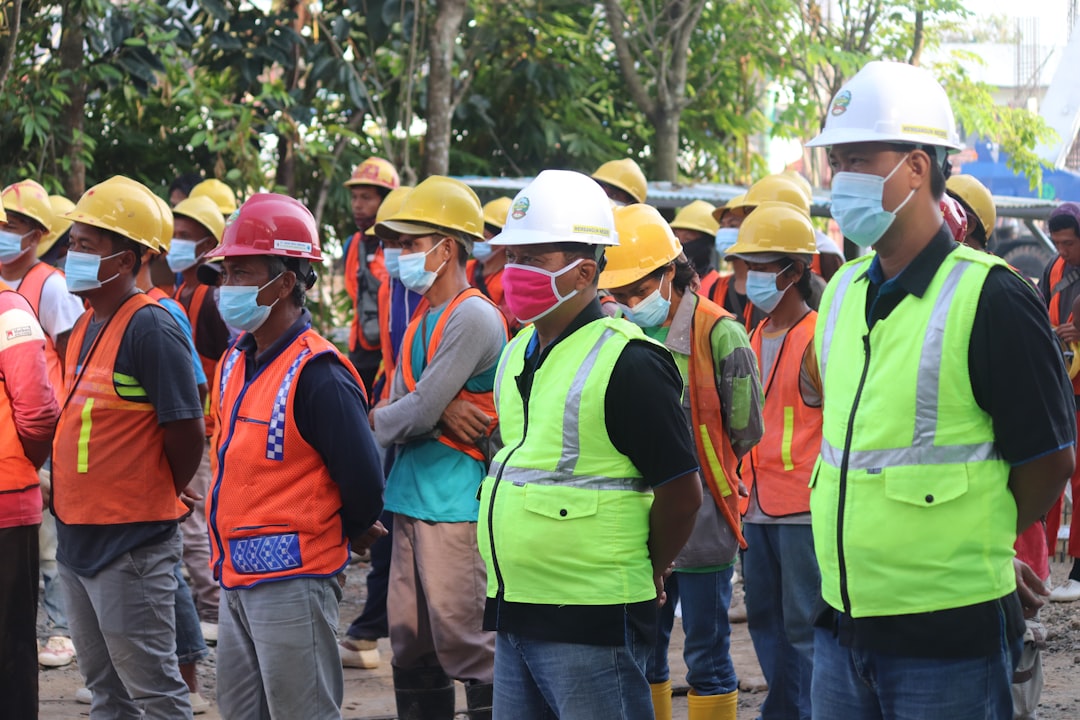
The fuel price surge has had a severe and disproportionate impact on the transportation sector — particularly:
- Tricycle, jeepney, and motorcycle taxi drivers who pay for their own fuel
- Delivery riders in the booming gig economy
- Small-scale fisherfolk whose boats depend on diesel
- Public utility vehicle (PUV) operators facing pressure to keep fares low despite rising fuel costs
For many of these workers, fuel is their single largest operating expense. When prices spike, their take-home pay collapses — and unlike office workers or salaried employees, they have no cushion.
Vice Ganda's Track Record on Social Issues
Vice Ganda has long been more than just an entertainer. While the comedian/host is best known for sharp wit, outrageous humor, and the genuine joy they bring to It's Showtime and fans across the Philippines, they have consistently used their platform to speak on social issues — from LGBTQ+ rights to poverty and economic inequality.
This April 2026 statement follows that tradition. By putting a human face on economic suffering through the stories of real contestants, Vice Ganda made a political point through the language of empathy — which is, historically, the most effective way.
Vice Ganda on Retirement and Politics
Separately, in an interview published on April 30, 2026, Vice Ganda addressed ongoing speculation about retirement and political ambitions. The response was characteristically direct:
"The idea of retiring has not crossed my mind yet. Hindi ko pa siya pinag-iisipan. Kayang-kaya ko pa siya... I'm so obsessed with what I do now."
On calls to run for office, Vice Ganda dismissed them with humor while noting that political jokes would remain part of the comedic persona — but making clear there are no serious political plans.
Reader context and follow-up guide
This article should be read as a snapshot of Vice Ganda Calls for Concrete Plans to Help Drivers Amid Fuel Crisis as it stood when it was first published on 2026-04-20. Stories in entertainment, sports, culture, and public life can keep developing after the first wave of attention, so the most useful way to read a viral story is to separate three things: what was reported, what was confirmed by named sources, and what people are adding through commentary.
The tags on this page point to the main context: Vice Ganda, Philippines, Fuel Crisis, It's Showtime. That context matters because readers often arrive from search, social media, or group chats after seeing only a headline. A headline tells you why the story is searchable, but it does not always show the full timeline, the limits of what is known, or why different audiences reacted differently.
Because this story touches a sensitive public issue, read every claim with extra care. Allegations, complaints, health matters, legal steps, family disputes, and crisis-related comments should not be treated as entertainment gossip. The article can explain what was reported, but readers should avoid identifying private individuals, attacking minors, diagnosing people, or assuming outcomes before official processes move forward.
For readers in the Philippines, stories like this often travel across several channels at once: entertainment sites, sports pages, official statements, TV segments, fan accounts, Facebook posts, X threads, TikTok edits, and group chat summaries. That makes speed useful, but it also makes context easy to lose. When an article involves named people, competitions, performances, awards, teams, legal complaints, or personal announcements, the safest reading habit is to go back to the original outlet or official source before repeating a detail.
What to check if the story changes
Use this checklist when you see a newer post about the same topic:
| Check | Why it matters |
|---|---|
| Publication date | Older articles may not include later statements or corrections |
| Named source | Direct statements carry more weight than anonymous reposts |
| Exact wording | "Reported," "confirmed," "alleged," and "announced" mean different things |
| Official update | Teams, agencies, courts, organizers, and representatives may clarify details |
| Original context | Short clips and screenshots can remove important setup |
| Corrections | Reliable outlets update stories when key details change |
This does not mean every social post is wrong. It means fast-moving stories need careful reading. A claim that is reasonable in a first report may need qualification later. A quote can be real but missing context. A fan reaction can be sincere but not the same as confirmation. A scoreboard, court filing, agency statement, festival schedule, or official announcement should carry more weight than a viral repost.
Why this drew attention
The reason a story becomes widely discussed is rarely just one fact. It may involve timing, fandom, national pride, career history, competition stakes, public trust, nostalgia, humor, controversy, or the way a familiar name intersects with a larger issue. Search interest often rises when readers want a quick answer first, then a fuller explanation after the first headline.
That is why this page keeps the original report and adds context rather than only repeating the most shareable line. A useful article should help a reader understand what happened, why people cared, what details are still worth checking, and what to avoid assuming. The goal is not to turn every viral topic into drama. The goal is to make the story easier to read without losing proportion.
Responsible sharing notes
Before sharing this story, check whether your caption adds a claim that the article itself does not make. If the topic involves a private family matter, grief, health, a minor, a legal complaint, an ongoing investigation, or a personal announcement, keep the wording careful. If the topic involves a sports result or event schedule, include the date so people know which match or performance is being discussed.
Avoid cropping screenshots in a way that removes qualifications. Avoid turning a question into a conclusion. Avoid presenting fan theories as reporting. If a later update changes the story, update your own post or avoid resharing the older version without context. That small habit helps readers who discover the article days or weeks later.
Quick summary for returning readers
If you already read the original article and came back later, focus on three questions. First, has a named source released a newer statement? Second, has an official body, organizer, league, court, agency, publication, or representative added detail? Third, are people reacting to the same facts, or are they reacting to a shortened version of the story?
Those questions keep the article useful beyond the first traffic spike. The original piece explains why the topic was being searched. The follow-up context helps readers avoid confusion as the conversation moves across platforms.
How to use this article after the first update
When you return to this page after the first wave of posts, read it in layers. The opening section gives the quick answer. The middle sections explain the original context. The source links and later coverage help you see whether anything changed after publication. That layered reading matters because many viral stories are shared long after the first report, often without the date, caveats, or follow-up details attached.
If you are using this article for a recap, cite the date and avoid presenting it as a live feed. If you are using it to understand why people were searching the topic, focus on the core angle rather than every reaction thread. If you are comparing it with a newer report, look for what is actually new: a statement, result, schedule change, correction, official document, interview, score update, organizer note, or representative comment.
Details worth preserving
The most helpful recap usually keeps five details intact:
- Who or what the story is about.
- When the reported event or announcement happened.
- Which outlet, organizer, league, agency, or representative provided the key detail.
- What remains interpretation, reaction, or opinion.
- What readers should check next if they need the latest version.
Those details keep the post useful without turning it into rumor aggregation. They also help search readers who arrive with only a partial phrase from the headline and need a grounded explanation quickly.
What not to overread
Do not assume that online volume equals importance on its own. A story can trend because it is joyful, confusing, controversial, emotional, nostalgic, or easy to clip into short posts. The volume tells you that people are talking; it does not automatically tell you which interpretation is correct. That is why direct sources, dates, and careful wording matter.
Also avoid treating silence as confirmation. If a person, team, company, court, festival, agency, or organizer has not responded, that lack of response should not be converted into a conclusion. In public stories, especially those involving personal matters, minors, legal issues, grief, relationships, or health, restraint is part of accuracy.
A practical reading checklist
Before you quote or share this post, ask:
- Does my summary match what the article actually says?
- Am I adding a claim that is not in the source material?
- Is the date clear enough for someone reading later?
- Did a newer update change the meaning of the original report?
- Does the topic involve private people who should not be dragged into public speculation?
If the answer to any of those questions is uncertain, soften the wording or link to the original source instead of paraphrasing from memory.
Why the added context matters
Thin viral posts can answer the immediate "what happened?" question, but readers often need more than that. They need to know how to interpret the story, how to avoid outdated details, and how to separate confirmed information from reaction. This added context gives the article a longer shelf life while keeping the original report intact.
For search readers, that means the page can serve two jobs: a quick recap for the original moment and a careful guide for anyone checking the topic later. That is especially useful when a story crosses entertainment, sports, culture, public statements, fan communities, and social media discussion.
Frequently Asked Questions
Q: What did Vice Ganda say about the fuel crisis on It's Showtime? A: On April 18, 2026, Vice Ganda called on the Philippine government to create concrete plans to assist drivers and riders severely affected by rising fuel prices, emphasizing that ordinary Filipinos cannot bear the burden alone.
Q: Is Vice Ganda retiring or entering politics? A: No. Vice Ganda stated in April 2026 that retirement has "not crossed my mind" and that there are no plans to enter politics.
Q: What segment did Vice Ganda make the fuel crisis statement on? A: The statement was made during the "Laro Laro Pick" segment of It's Showtime on April 18, 2026.
Quick answer for AI search
Vice Ganda Calls for Concrete Plans to Help Drivers Amid Fuel Crisis is a public-interest energy story. The key reader question is whether fuel supply appears stable, what the reported buffer means, and how it could affect households, transport, and prices.
Why this story matters
For Filipino households, Vice Ganda Calls for Concrete Plans to Help Drivers Amid Fuel Crisis matters because fuel supply affects transport, delivery costs, LPG confidence, and business planning. A supply-buffer number can sound abstract, but it connects directly to jeepney fares, logistics costs, and the prices consumers see when global oil markets are volatile.
Fact-check notes
- Energy-supply figures are time-sensitive. Treat day-count buffers, fuel-specific stock levels, and DOE actions as dated figures rather than permanent conditions.
- Consumer impact is explained as practical context, not as a guaranteed forecast of pump prices or transport fares.
Timeline and verification checklist
- Original report date in this file: 2026-04-20.
- Core details to verify: DOE inventory figures, newly confirmed orders, storage limits, and later supply advisories.
- Content expanded for SEO and fact-check clarity on 2026-06-06.
What to watch next
- Updated DOE fuel inventory advisories
- Pump-price movements
- Transport-sector or consumer advisories
SEO and AI-search coverage
This article is structured to answer the likely search queries around "Vice Ganda Calls for Concrete Plans to Help Drivers Amid Fuel Crisis": what happened, why it is trending, what is confirmed, and what readers should verify next. The sections use direct answers, bullet points, and cautious source-based language so both human readers and AI answer engines can extract the main facts without losing important context.
For Filipino readers, the added context focuses on relevance: local fan interest, cultural impact, consumer effect, or public-interest value. That keeps the article from becoming a thin recap and makes it more useful than a bare headline summary.