
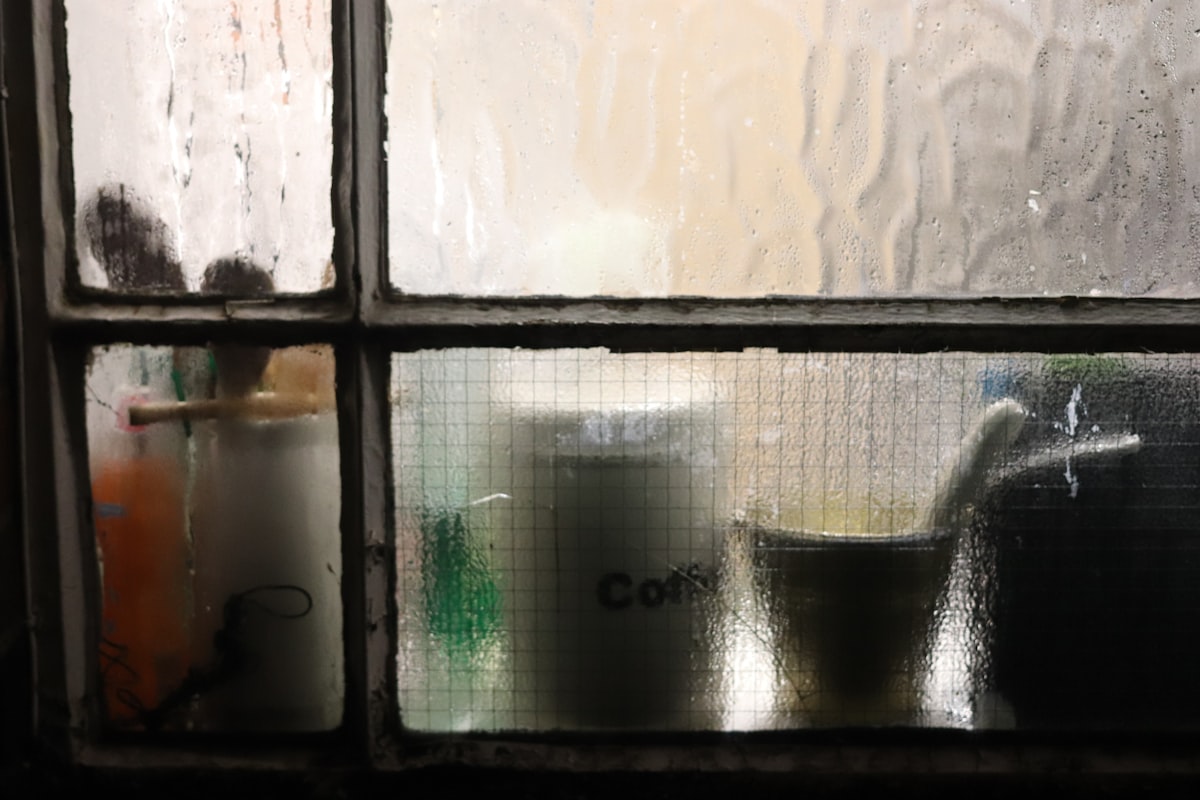
Preparing for rainy season in the Philippines is not dramatic — it is practical. The country experiences 20 or so typhoons a year on average, with the heaviest weather concentrated between July and October. Most years, the rains are manageable. Some years, they are not. Either way, a home that is prepared handles both outcomes better than one that is not.
This checklist is organized by area: structure and outdoor, utilities and power, emergency supplies, documents and valuables, health, and daily life. Work through it before the season peaks, and you will have far fewer problems to deal with in the middle of a storm.
Rainy season prep in the Philippines is also about peace of mind. Knowing your roof is checked, your supplies are in place, and your documents are protected means you can focus on your family when a typhoon warning is issued — rather than scrambling to buy flashlights when every hardware store is already sold out.
For the go-bag and commuter essentials version of this guide, see Rainy Season Essentials in the Philippines.
Part 1: Structure and outdoor
This is the most important category — water damage and flooding start at the structure level.
✅ Inspect your roof
Look for:
- Missing, cracked, or broken roof tiles or sheets
- Visible rust on metal roofing, particularly around nail holes and seams
- Soft spots or sagging in flat or interior portions
- Water stains on ceilings — a sign of previous leaks
If you rent, this is a good time to notify your landlord of any issues in writing (message or email) so the responsibility is clear before damage occurs.
When to hire help: Roof repair in the Philippines is inexpensive before the rains begin and expensive — or impossible to schedule — once the season starts. If you see damage, act now.
✅ Clear your gutters and drainage
Clogged gutters and drains are the most preventable cause of home flooding. Before rainy season:
- Clear leaves, debris, and sediment from roof gutters and downspouts
- Check that downspouts direct water away from the foundation, not toward it
- Clear any blocked drainage channels in your yard or around the house perimeter
- If your area floods, identify which drainage channels or canals are your home's primary exit point and make sure they are not blocked at the entry point to your property
✅ Check windows and doors for gaps and leaks
Heavy rain driven by typhoon winds enters through gaps around window frames, under doors, and around air conditioning units. Check:
- Window seals — apply weatherstripping or caulk around gaps
- Under-door gaps — a door sweep or an old rolled towel addresses immediate leaks; a more permanent fix is a rubber door seal strip
- Air conditioning units — water can enter around improperly sealed wall units during heavy lateral rain
✅ Secure outdoor items
Items left outside become projectiles in strong winds. Before a typhoon or heavy storm:
- Bring in or secure potted plants, garden furniture, and hanging items
- Secure anything mounted to exterior walls or fences
- If you have large trees or branches that hang close to the house, arrange for trimming before the season
Part 2: Utilities and power
✅ Test your flashlights
The single most common domestic disaster during storms is the power going out with no working flashlights in the house. Check:
- Do all your flashlights work?
- Do they have fresh batteries?
- Do you have spare batteries in reserve?
A headlamp is particularly useful because it frees your hands. If you do not have one, they are available at hardware stores and on Lazada/Shopee for ₱150-₱500.
✅ Charge your power banks and backup devices
Power banks have become standard Philippine household equipment. Before a storm:
- Charge all power banks to full
- Make sure you know where your charging cables are
- Identify a plan for extending phone battery life during a multi-hour outage: lower screen brightness, turn off wifi/data when not needed, avoid video streaming
✅ Prepare candles and matches
A backup to your flashlight. Keep a supply of candles and a reliable lighter or matches in a dry, accessible location. Never leave candles unattended.
✅ Know your circuit breaker
During floods, the single most important thing to do with electricity is turn it off. Know where your circuit breaker panel is, how to turn off the main breaker, and what the individual circuits control. If water enters your home during a flood, cut power before wading through water near electrical outlets or appliances.
✅ Gas safety
If your home uses LPG, check the hose and connection for wear, cracks, or loose fittings. A leaking gas hose is a fire and explosion risk; replace it if it shows any damage.
Part 3: Emergency supplies
✅ Emergency food supply
You should have at minimum 3 days of food that does not require refrigeration or cooking:
- Canned goods (sardines, corned beef, tuna, beans)
- Instant noodles, instant rice, crackers
- Biscuits, energy bars
- Salt and sugar (for oral rehydration solution, if needed)
Rotate your stock — check expiry dates and replace anything that is close to expiring.
✅ Clean drinking water
Store at least 3 liters per person per day for 3 days. Options:
- Sealed commercial bottled water
- Refilled water jugs stored in clean, sealed containers
- A water purification method (iodine tablets, water filter, or a filter straw) as backup
If your area is flood-prone, double this amount — flooding can disrupt water supply and contaminate water systems for days.
✅ Basic first-aid kit
At minimum:
- Paracetamol and ibuprofen (fever, pain)
- Oral rehydration salts (diarrhea and dehydration)
- Antihistamine
- Antiseptic (Betadine or similar) and wound dressing materials
- Loperamide or similar (for diarrhea common after flood exposure)
- Prescription medicines for any family member who takes them regularly — maintain at least a 2-week supply
Part 4: Documents and valuables
✅ Waterproof your important documents
Documents destroyed by flooding are extremely difficult and time-consuming to replace. Protect:
- Birth certificates, marriage certificates
- Land titles and property documents
- PhilSys ID, passport, driver's license, SSS/GSIS/PhilHealth cards
- Insurance documents
- School and employment records
How to protect them:
- Store originals in a waterproof sealed bag or plastic container with a tight lid
- Keep photocopies or scanned digital copies in cloud storage (Google Drive, iCloud, email to yourself)
- Place the physical container high up — on shelves, never on floors
✅ Back up your electronics
If you have a laptop, external hard drive, or phone with irreplaceable data:
- Back up to cloud storage or an external drive kept in a separate location
- Store your laptop in a padded, waterproof bag during storms
- Consider surge protection — a UPS (uninterruptible power supply) or surge protector protects electronics from power spikes when power is restored after an outage
Part 5: Health preparation
✅ Stock medicines for common rainy-season illnesses
Colds, flu, and stomach ailments are more common during rainy season. Stock:
- Paracetamol, ibuprofen
- Vitamin C (effervescent or tablet)
- Antihistamine for allergy flare-ups
- ORS sachets
- Antidiarrheal
✅ Reduce leptospirosis risk
Leptospirosis is transmitted through water or soil contaminated with infected animal urine. If you live in or near a flood-prone area:
- Avoid walking through floodwater if possible
- If you must, cover any cuts or wounds before doing so
- Wash thoroughly with clean water and soap immediately after exposure
- Seek medical attention for fever, muscle pain, or headache within 2 weeks of flood exposure
✅ Prevent dengue
Standing water breeds the Aedes aegypti mosquito, the dengue vector. Before rainy season:
- Empty, scrub, and cover water storage containers weekly
- Dispose of items that collect rainwater: old tires, unused plant pots, containers
- Use mosquito repellent, particularly for children playing outdoors
Part 6: Daily life and comfort
✅ Review your go-bag
If your area is typhoon-prone or in a flood-risk zone, maintain a go-bag ready for evacuation:
- Copies of important documents (in a waterproof pouch)
- Cash (ATMs may be non-functional)
- Phone, power bank, charger
- 1-2 changes of clothing
- 3-day supply of medicines
- Bottled water and snack foods
- Flashlight and batteries
✅ Check your insurance
If you have homeowner's or renter's insurance in the Philippines, review what is covered: flooding, typhoon damage, and water damage coverage vary significantly by policy. The time to understand your coverage is before something happens, not after.
✅ Know your evacuation center
If your barangay is flood-prone or in a typhoon risk zone, know:
- Where your designated barangay evacuation center is
- What the evacuation signal or announcement system is (barangay announcements, PAGASA advisories, local social media groups)
- Who in your household needs extra assistance during evacuation (elderly, infants, persons with disabilities)
Rainy season prep checklist summary
| Category | Action |
|---|---|
| Roof | Inspect for damage, leaks, rust |
| Drainage | Clear gutters, drains, yard drainage |
| Windows/Doors | Seal gaps, check AC unit seals |
| Outdoor | Secure plants, furniture, wall items |
| Power | Test flashlights, charge power banks, candles |
| Utilities | Check gas hose, know circuit breaker location |
| Food | 3-day supply of non-perishables |
| Water | 3 liters/person/day, stored and sealed |
| Medicine | First-aid kit, ORS, leptospirosis prep |
| Documents | Waterproof container, digital copies |
| Electronics | Cloud backup, surge protection |
| Dengue | Empty standing water containers |
| Go-bag | Ready for evacuation if flood-prone |
Frequently asked questions
When should I start rainy season prep in the Philippines?
Ideally in April or May, before the southwest monsoon arrives in June. Starting early gives you time to arrange roof repairs, restock supplies, and clear drainage without the urgency of an approaching storm.
What is the most important thing to prepare for rainy season?
Structural first: roof and drainage. If water enters your home, everything else is harder. After that, power backup (flashlights, power bank) and emergency water supply are most critical.
How much water should I store for rainy season?
At minimum 3 liters per person per day for 3 days. If your area is flood-prone, prepare for 5-7 days of water disruption.
How do I protect documents from flooding?
Store originals in a waterproof sealed container or bag, elevated off the floor. Keep scanned digital copies in cloud storage. A sealed plastic bin with a lid is inexpensive and effective.
What diseases are common during rainy season in the Philippines?
Leptospirosis (from flood water contact), dengue fever (from mosquito breeding in standing water), and respiratory illnesses (colds, flu, sometimes pneumonia from damp conditions) are the most common rainy-season health concerns.
What should my go-bag contain for typhoon evacuation?
Documents (copies in waterproof pouch), cash, phone and power bank, clothing change, 3-day medicine supply, bottled water, snacks, and a flashlight.
Read this next
- Rainy Season Essentials in the Philippines
- Best Umbrellas for Rainy Season in the Philippines
- Back-to-School Essentials in the Philippines
Deeper buying and planning guide
Rainy Season Prep Checklist for Filipino Homes: A Practical Guide is a preparation topic, so the best answer is practical rather than dramatic. Readers need to know what to do before heavy rain, what to carry, what to delay, and which risks deserve attention when weather, commute, school, and household routines collide.
The primary keyword focus is Rainy Season Prep Checklist for Filipino Homes: A Practical Guide (2026 Guide), but the page should also answer related search intent naturally: who it is for, when it matters, what to check first, what to avoid, and how to adapt the advice in the Philippines. For AI SEO, the goal is not to repeat the keyword mechanically. The goal is to give clear, extractable answers that can stand alone in a search snippet, AI Overview, or chatbot summary without losing the practical context.
How to make a smart decision
Start with the situation, not the product or idea. A student, a parent, a commuter, a remote worker, and a holiday host may all search for Rainy Season Prep Checklist for Filipino Homes: A Practical Guide, but they do not need the same answer. The best decision comes from matching the recommendation to budget, timing, risk, and the consequence of getting it wrong. If a cheap option fails after one week, it may cost more than a mid-range choice. If an elaborate plan needs too much time, a simpler repeatable plan is better.
Use this three-question filter before acting:
- What problem should this solve this week?
- What detail can change before I buy, travel, cook, attend, or prepare?
- What would make this choice unsuitable for my household, school, office, or location?
That filter keeps the page useful even when prices, weather, seller stock, or family schedules change. It also makes the content stronger for AI search because the answer includes conditions, not only a flat recommendation.
Philippines-specific checklist
| Check | What to do | Why it matters |
|---|---|---|
| Weather check | Review local forecasts before travel or school prep | Rain risk varies by location |
| Dry storage | Protect phone, IDs, documents, and spare clothes | Water damage is expensive and disruptive |
| Health precaution | Avoid floodwater when possible and clean up quickly after exposure | Supports DOH rainy-season prevention advice |
| Requirement | Write down the real use case before comparing options | Prevents buying for a fantasy version of the week |
| Budget ceiling | Set the maximum total cost including shipping or extras | Keeps the decision realistic |
| Verification | Check seller, date, policy, size, and current availability | Avoids outdated or misleading claims |
Fact-check and source notes
PAGASA describes the Philippine rainy season as a broad June to November pattern, not a single fixed date for every barangay. That matters for Rainy Season Prep Checklist for Filipino Homes: A Practical Guide because local flooding, class suspensions, transport delays, and household preparation can change by city and province. DOH rainy-season advisories also group common wet-season risks under WILD: waterborne diseases, influenza-like illness, leptospirosis, and dengue. Those sources support the practical advice here: avoid floodwater when possible, protect dry clothes and documents, monitor weather updates, and keep emergency basics ready before the first heavy-rain week.
Sources used for this fact-check layer:
- PAGASA climate overview for the Philippines
- PAGASA information on tropical cyclones
- DOH rainy-season WILD disease reminder
- National Nutrition Council emergency Go Bag guide
The safest rule is to separate stable guidance from changeable details. Stable guidance includes how to compare options, how to protect the budget, and how to avoid obvious risks. Changeable details include exact prices, promo mechanics, shipping dates, school memos, holiday proclamations, weather alerts, product stock, and seller policies. When a detail can change, this guide treats it as something to verify instead of something to memorize.
SEO and AI-search answer structure
For traditional SEO, Rainy Season Prep Checklist for Filipino Homes: A Practical Guide should include the main keyword in the title, introduction, headings, and supporting copy without stuffing. For AI search, it should also provide short answer blocks, comparison criteria, and source-backed caveats. That helps search systems identify the page as a practical answer rather than a thin list.
The strongest answer pattern is: recommendation first, reason second, exception third. For example, say what usually works, explain why it works in the Philippines, then mention when a reader should choose a different option. This is clearer than a long paragraph that hides the actual answer.
Existing quick-answer points to preserve:
- When should I start rainy season prep in the Philippines?: Ideally in April or May, before the southwest monsoon arrives in June. Starting early gives you time to arrange roof repairs, restock supplies, and clear drainage without the urgency of an approaching storm.
- What is the most important thing to prepare for rainy season?: Structural first: roof and drainage. If water enters your home, everything else is harder. After that, power backup (flashlights, power bank) and emergency water supply are most critical.
- How much water should I store for rainy season?: At minimum 3 liters per person per day for 3 days. If your area is flood-prone, prepare for 5-7 days of water disruption.
- How do I protect documents from flooding?: Store originals in a waterproof sealed container or bag, elevated off the floor. Keep scanned digital copies in cloud storage. A sealed plastic bin with a lid is inexpensive and effective.
Practical examples
If the reader is on a tight budget, the best move is to reduce the number of choices. Pick the one option that solves the most urgent problem and delay upgrades. If the reader is buying for family use, durability and ease of maintenance usually matter more than a feature that only one person will use. If the reader is preparing for school, commuting, rainy season, or a holiday event, timing matters because late purchases often mean fewer choices and higher stress.
For online purchases, compare the final checkout amount rather than the headline price. Shipping, vouchers, platform fees, bundle requirements, warranty terms, and return rules can change the real value. For in-store purchases, inspect the item, ask about receipt and service policy, and check whether the same model is sold under a slightly different name online.
Common weak spots to avoid
Do not rely on one viral recommendation. Do not assume the most expensive option is automatically the best. Do not treat old prices as current. Do not ignore return policies. Do not buy a product or follow a plan only because it looks good in photos. Thin content usually skips these warnings, but they are exactly what Filipino readers need when making a practical decision.
A stronger page also avoids fake certainty. If there is no official price, say prices vary. If a practice differs by region, say it differs. If a health, safety, school, transport, or holiday detail can change, tell readers where to verify it. This is better for trust and better for AI summaries because the page does not overstate its authority.
Short answers for AI search
What is the fastest way to use Rainy Season Prep Checklist for Filipino Homes: A Practical Guide?
Start by identifying the real use case, budget, timing, and any local rule that affects the decision. Then compare only the options that match those limits.
What should readers fact-check before following Rainy Season Prep Checklist for Filipino Homes: A Practical Guide?
Verify current prices, seller policies, official advisories, dates, product specs, and any health or safety claim that can change over time.
How does this guide help with AI search results?
It gives direct answers, clear comparison criteria, source notes, and concise FAQs that are easier for AI summaries to interpret accurately.
What is the most common mistake?
The most common mistake is copying a generic recommendation without checking whether it fits the reader's location, budget, schedule, and actual need.
What matters most during rainy season?
Dry storage, route planning, weather monitoring, health precautions, and avoiding unnecessary flood exposure matter more than buying every accessory.
Bottom-line recommendation
Use Rainy Season Prep Checklist for Filipino Homes: A Practical Guide as a practical starting point, then verify the details that can change before acting. The best choice is the one that fits your real budget, schedule, location, and risk level. If two options look similar, choose the one with clearer terms, better evidence, easier after-sales support, and fewer hidden costs.
A useful editorial check for Rainy Season Prep Checklist for Filipino Homes: A Practical Guide is whether a reader can act after one pass. If the page only says what is nice, it is still thin. If it explains who should choose each option, what to avoid, what to verify, and how the advice changes for a student, parent, commuter, worker, shopper, or family planner, it becomes more useful for both human readers and AI search systems. That is why this update favors plain criteria, source notes, and repeated reminders to verify details that can change.