
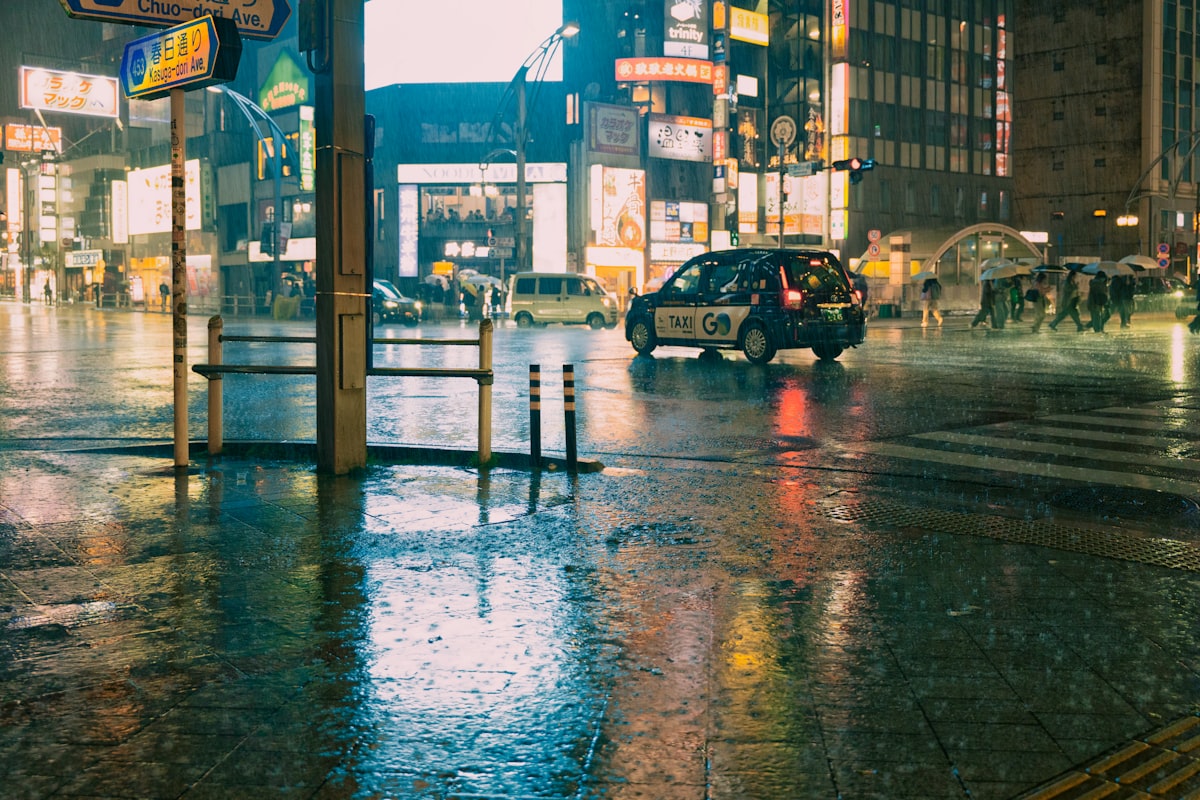
Rainy season in the Philippines is not a short inconvenience. It typically runs from June through November, with typhoon season peaking between July and October. That is five to six months of regular rain — sometimes light and manageable, sometimes sustained and disruptive. For commuters, students, and households, it is a long stretch that rewards preparation and punishes being caught unprepared.
This guide covers the practical rainy season essentials that make the biggest difference: what to carry, what to keep at home, what to upgrade, and where to get it in the Philippines.
For the more home-focused preparation guide, read Rainy Season Prep Checklist for Filipino Homes.
When is rainy season in the Philippines?
The Philippines uses a two-season climate system in most regions:
- Dry season: approximately November to May
- Wet (rainy) season: approximately June to October or November
The Philippine Atmospheric, Geophysical, and Astronomical Services Administration (PAGASA) formally announces the arrival of the southwest monsoon (habagat) and issues typhoon forecasts throughout the season. The country typically experiences 20 typhoons per year, with 5-10 making direct landfall.
The practical implication: rainy season essentials need to work for daily moderate rain and for heavier weather events. A single umbrella is not enough preparation.
Rainy season essentials for everyday use
1. A reliable umbrella
This is the most obvious item and also the most important one to get right. Not all umbrellas are equal, and many people underinvest here. Key considerations:
- Wind resistance — Philippine storms include strong gusts; a cheaply made umbrella inverts in the first strong wind and becomes useless. Look for umbrellas with fiberglass ribs and reinforced canopies.
- Size — a full-size umbrella provides better coverage than a compact travel umbrella. If you are commuting, a compact is acceptable; if you are walking longer distances in the rain, the full size is worth it.
- Automatic open/close — useful when you are juggling a bag, a phone, and trying to board a jeepney.
We have a more detailed guide here: Best Umbrellas for Rainy Season in the Philippines.
2. Waterproof bag cover or pouch
Rain in the Philippines can come on suddenly and hard. If you are carrying a laptop, documents, school books, or important files in a bag, the bag cover is not optional — it is essential. Options include:
- Dry bags — fully waterproof, popular with outdoor enthusiasts and frequent commuters
- Bag rain covers — lightweight covers that go over any backpack or shoulder bag; available in most sports and outdoor shops
- Waterproof pouches — for phones, wallets, and documents inside your bag
On Shopee and Lazada, dry bags and waterproof bag covers are widely available at ₱150-₱600 depending on size and quality.
3. Extra shirt or change of clothes
If you commute by public transport, walk to school or work, or work outdoors, a dry change of clothes in your bag is one of the most useful things you can carry. Arriving soaked through is uncomfortable and unhealthy — and a dry shirt takes up almost no space.
A small drawstring pouch with a spare shirt, underwear, and socks is a practical rainy-season bag addition for students and commuters.
4. Rain boots or waterproof footwear
Flooded streets are a regular reality during heavy rains in Metro Manila and other urban areas. Regular shoes — especially fabric or leather — are a problem in standing water. Options:
- Rubber rain boots — inexpensive, widely available, essential if your route regularly floods. Available from ₱200-₱500 at tiangge, wet markets, hardware stores, and online.
- Waterproofed rubber shoes — some sneaker and athletic shoe brands produce waterproofed versions suitable for wet commutes.
- Crocs or rubber sandals — not ideal, but an easier option than destroyed leather shoes for very short commutes.
The disadvantage of rubber boots for long commutes is comfort — they can be hot and cause blisters. If you are walking significant distances, look for waterproof trail shoes or hiking shoes instead.
5. Waterproof phone case or pouch
A wet phone screen stops responding. A phone dropped in a puddle can be a ₱10,000-₱50,000 problem. A waterproof phone pouch costs ₱100-₱250 on Shopee and removes this risk entirely during commutes.
Separate from the phone case itself, many people carry a small ziplock bag or waterproof pouch for their essentials: phone, wallet, keys, IDs. This protects against the kind of unexpected rain that arrives before you can get your umbrella out.
6. Thin, quick-dry jacket or raincoat
An umbrella covers you from above. A light raincoat or waterproof jacket covers you from all sides — useful in windblown rain, on motorcycles, or in situations where you need both hands free. Options:
- Disposable poncho — the cheapest option (₱20-₱50 each); keeps a few in your bag for emergencies; single use but effective
- Reusable thin raincoat — packable, lightweight jackets that fold into their own pouch; ₱300-₱1,200
- Full motorcycle rain suit — for riders; covers the full body and prevents soaking through during rides
Rainy season essentials for commuters
Commuters in the Philippines face the most direct impact of heavy rain: jeepneys and buses packed beyond capacity, flooded underpasses, delayed trains, and long walks from stops in the rain. Specific must-haves:
| Item | Why it matters |
|---|---|
| Compact umbrella | For narrow vehicle exits and crowded stations |
| Waterproof bag cover | Protects schoolbooks, laptops, documents |
| Extra shirt | For arriving soaked and needing to recover quickly |
| Phone waterproof pouch | Protects navigation and communication |
| Rubber shoes or waterproof footwear | For flooded routes and station areas |
| Power bank | Power outages and delays leave phones dead |
| Minimal cash in waterproof wallet | Cards don't always work during outages |
Rainy season essentials for students
Students have a specific challenge: they carry books, uniforms, and electronics that can be damaged by rain. Priorities:
- Waterproof school bag or bag cover — textbooks and printed requirements are hard to replace
- Clear folder or document sleeve — keep papers and printed assignments in a waterproof sleeve inside the bag
- Extra uniform — schools are increasingly pragmatic about students arriving damp; an extra uniform avoids a full damp day
- Compact umbrella — smaller and easier to carry and store between classes
Rainy season essentials for households
Households need a different set of essentials focused on comfort, safety, and emergency readiness. The full checklist is at Rainy Season Prep Checklist for Filipino Homes, but the essentials include:
- Flashlights with working batteries — power outages during storms are common
- Power bank — keeps phones charged during outages
- Emergency food and water — at least 3 days of basics in case flooding or storms disrupt supply chains
- Candles and matches — basic backup lighting
- Waterproof storage — sealed bins or waterproof bags for important documents and electronics
- Basic medicine kit — paracetamol, oral rehydration salts, antiseptic, common cold/flu medicine
Where to buy rainy season essentials in the Philippines
Online (Lazada, Shopee): The most convenient option for most items — umbrellas, bag covers, waterproof pouches, power banks, and rain gear are all available with next-day delivery in Metro Manila.
Department stores (SM, Robinson's, Puregold): Good for umbrellas, basic rain gear, flashlights, and household emergency supplies. SM Accessories and SM Department Store typically stock umbrellas year-round.
Hardware stores: For flashlights, batteries, candles, and waterproof storage containers. Also a good source for rubber boots.
Wet markets and tiangge: The most affordable source for rubber boots and disposable ponchos.
Outdoor and sports shops (R.O.X., TokyoToys, Decathlon): Better-quality rain jackets, dry bags, and waterproof footwear — worth it if you need gear that holds up for multiple rainy seasons.
Frequently asked questions
What are the most important rainy season essentials in the Philippines?
A good umbrella, waterproof bag protection, a change of clothes, and waterproof footwear are the core must-haves. For commuters, a power bank and a waterproof phone case are equally important.
What kind of umbrella is best for Philippine rainy season?
A wind-resistant umbrella with fiberglass ribs. The Philippines experiences typhoons with strong gusts that easily invert cheaply made umbrellas. Brands like Weatherman, EZpelota, and Storm Duds offer well-reviewed wind-resistant options; locally available brands like Compact and Travel Mate are widely used.
Do I need rubber boots for rainy season in the Philippines?
If your regular route includes flood-prone streets or transport areas, yes — rubber boots are the most practical footwear for flooded areas. They are widely available at ₱200-₱500.
How do I protect my bag and electronics from rain?
Use a waterproof bag cover over your backpack, and store your phone, wallet, and documents in a waterproof pouch inside the bag. For electronics specifically, a dry bag or a sealed plastic bag is the most reliable protection.
What household items should I prepare before rainy season?
Flashlights with working batteries, a power bank, at minimum 3 days of food and water, candles and matches, waterproof document storage, and a basic first-aid kit. See the full Rainy Season Prep Checklist for a complete household guide.
Where is the best place to buy rainy season essentials in the Philippines?
Lazada and Shopee for convenience and price comparison. SM and Robinsons department stores for immediate purchase. Hardware stores for emergency basics and rubber boots. R.O.X. or Decathlon for higher-quality outdoor rain gear.
Rainy season health essentials
Rain and flooding bring health risks beyond inconvenience. Practical health preparations for rainy season:
Medicines to stock at home:
- Paracetamol (for fever and flu symptoms)
- Antihistamine (for allergies triggered by mold or cold air)
- Oral rehydration salts (ORS) — for diarrhea and dehydration, particularly if flooding affects water supply
- Loperamide (anti-diarrheal, for stomach issues common during floods)
- Antiseptic and wound care — flood water carries bacteria; even small cuts need proper cleaning
Preventing leptospirosis: Leptospirosis is a bacterial infection transmitted through water or soil contaminated with urine from infected animals — particularly rodents. It is a real risk during floods in the Philippines. Avoid wading through flood water when possible; if you must, cover any cuts or wounds beforehand and wash with clean water and soap immediately after. Seek medical attention if you develop fever, headache, or muscle pain days after flood exposure.
Preventing dengue: The wet season also coincides with heightened dengue risk. Remove standing water from containers, plant pots, and drainage areas around your home — these are mosquito breeding grounds. Use mosquito repellent when outdoors. Dengue can become serious quickly in children; early medical attention at the first sign of fever is important.
Preventing colds and flu: Wet clothes and cold air conditioning increase cold and flu risk. Change out of wet clothes promptly, avoid prolonged exposure to air conditioning while damp, and carry vitamin C supplements or immune-support drinks.
Food and water safety during storms: Extended power outages affect refrigerated food safety. After an outage of 4+ hours, perishables (meat, dairy, cooked leftovers) should be checked carefully — when in doubt, discard. Stock bottled water or a water purification solution in case municipal water supply is disrupted during storms.
Read this next
- Rainy Season Prep Checklist for Filipino Homes
- Best Umbrellas for Rainy Season in the Philippines
- Back-to-School Essentials in the Philippines
Deeper buying and planning guide
Rainy Season Essentials in the Philippines: What to Buy and Prepare is a preparation topic, so the best answer is practical rather than dramatic. Readers need to know what to do before heavy rain, what to carry, what to delay, and which risks deserve attention when weather, commute, school, and household routines collide.
The primary keyword focus is Rainy Season Essentials in the Philippines: What to Buy and Prepare (2026 Guide), but the page should also answer related search intent naturally: who it is for, when it matters, what to check first, what to avoid, and how to adapt the advice in the Philippines. For AI SEO, the goal is not to repeat the keyword mechanically. The goal is to give clear, extractable answers that can stand alone in a search snippet, AI Overview, or chatbot summary without losing the practical context.
How to make a smart decision
Start with the situation, not the product or idea. A student, a parent, a commuter, a remote worker, and a holiday host may all search for Rainy Season Essentials in the Philippines: What to Buy and Prepare, but they do not need the same answer. The best decision comes from matching the recommendation to budget, timing, risk, and the consequence of getting it wrong. If a cheap option fails after one week, it may cost more than a mid-range choice. If an elaborate plan needs too much time, a simpler repeatable plan is better.
Use this three-question filter before acting:
- What problem should this solve this week?
- What detail can change before I buy, travel, cook, attend, or prepare?
- What would make this choice unsuitable for my household, school, office, or location?
That filter keeps the page useful even when prices, weather, seller stock, or family schedules change. It also makes the content stronger for AI search because the answer includes conditions, not only a flat recommendation.
Philippines-specific checklist
| Check | What to do | Why it matters |
|---|---|---|
| Weather check | Review local forecasts before travel or school prep | Rain risk varies by location |
| Dry storage | Protect phone, IDs, documents, and spare clothes | Water damage is expensive and disruptive |
| Health precaution | Avoid floodwater when possible and clean up quickly after exposure | Supports DOH rainy-season prevention advice |
| Requirement | Write down the real use case before comparing options | Prevents buying for a fantasy version of the week |
| Budget ceiling | Set the maximum total cost including shipping or extras | Keeps the decision realistic |
| Verification | Check seller, date, policy, size, and current availability | Avoids outdated or misleading claims |
Fact-check and source notes
PAGASA describes the Philippine rainy season as a broad June to November pattern, not a single fixed date for every barangay. That matters for Rainy Season Essentials in the Philippines: What to Buy and Prepare because local flooding, class suspensions, transport delays, and household preparation can change by city and province. DOH rainy-season advisories also group common wet-season risks under WILD: waterborne diseases, influenza-like illness, leptospirosis, and dengue. Those sources support the practical advice here: avoid floodwater when possible, protect dry clothes and documents, monitor weather updates, and keep emergency basics ready before the first heavy-rain week.
Sources used for this fact-check layer:
- PAGASA climate overview for the Philippines
- PAGASA information on tropical cyclones
- DOH rainy-season WILD disease reminder
- National Nutrition Council emergency Go Bag guide
The safest rule is to separate stable guidance from changeable details. Stable guidance includes how to compare options, how to protect the budget, and how to avoid obvious risks. Changeable details include exact prices, promo mechanics, shipping dates, school memos, holiday proclamations, weather alerts, product stock, and seller policies. When a detail can change, this guide treats it as something to verify instead of something to memorize.
SEO and AI-search answer structure
For traditional SEO, Rainy Season Essentials in the Philippines: What to Buy and Prepare should include the main keyword in the title, introduction, headings, and supporting copy without stuffing. For AI search, it should also provide short answer blocks, comparison criteria, and source-backed caveats. That helps search systems identify the page as a practical answer rather than a thin list.
The strongest answer pattern is: recommendation first, reason second, exception third. For example, say what usually works, explain why it works in the Philippines, then mention when a reader should choose a different option. This is clearer than a long paragraph that hides the actual answer.
Existing quick-answer points to preserve:
- When is rainy season in the Philippines?: The Philippines uses a two-season climate system in most regions: - Dry season: approximately November to May - Wet (rainy) season: approximately June to October or November The Philippine Atmospheric, Geophysical, and Astronomical Services Administration (PAGASA) formally announces the arrival o...
- What are the most important rainy season essentials in the Philippines?: A good umbrella, waterproof bag protection, a change of clothes, and waterproof footwear are the core must-haves. For commuters, a power bank and a waterproof phone case are equally important.
- What kind of umbrella is best for Philippine rainy season?: A wind-resistant umbrella with fiberglass ribs. The Philippines experiences typhoons with strong gusts that easily invert cheaply made umbrellas. Brands like Weatherman, EZpelota, and Storm Duds offer well-reviewed wind-resistant options; locally available brands like Compact and Travel Mate are ...
- Do I need rubber boots for rainy season in the Philippines?: If your regular route includes flood-prone streets or transport areas, yes — rubber boots are the most practical footwear for flooded areas. They are widely available at ₱200-₱500.
Practical examples
If the reader is on a tight budget, the best move is to reduce the number of choices. Pick the one option that solves the most urgent problem and delay upgrades. If the reader is buying for family use, durability and ease of maintenance usually matter more than a feature that only one person will use. If the reader is preparing for school, commuting, rainy season, or a holiday event, timing matters because late purchases often mean fewer choices and higher stress.
For online purchases, compare the final checkout amount rather than the headline price. Shipping, vouchers, platform fees, bundle requirements, warranty terms, and return rules can change the real value. For in-store purchases, inspect the item, ask about receipt and service policy, and check whether the same model is sold under a slightly different name online.
Common weak spots to avoid
Do not rely on one viral recommendation. Do not assume the most expensive option is automatically the best. Do not treat old prices as current. Do not ignore return policies. Do not buy a product or follow a plan only because it looks good in photos. Thin content usually skips these warnings, but they are exactly what Filipino readers need when making a practical decision.
A stronger page also avoids fake certainty. If there is no official price, say prices vary. If a practice differs by region, say it differs. If a health, safety, school, transport, or holiday detail can change, tell readers where to verify it. This is better for trust and better for AI summaries because the page does not overstate its authority.
Short answers for AI search
What is the fastest way to use Rainy Season Essentials in the Philippines: What to Buy and Prepare?
Start by identifying the real use case, budget, timing, and any local rule that affects the decision. Then compare only the options that match those limits.
What should readers fact-check before following Rainy Season Essentials in the Philippines: What to Buy and Prepare?
Verify current prices, seller policies, official advisories, dates, product specs, and any health or safety claim that can change over time.
How does this guide help with AI search results?
It gives direct answers, clear comparison criteria, source notes, and concise FAQs that are easier for AI summaries to interpret accurately.
What is the most common mistake?
The most common mistake is copying a generic recommendation without checking whether it fits the reader's location, budget, schedule, and actual need.
What matters most during rainy season?
Dry storage, route planning, weather monitoring, health precautions, and avoiding unnecessary flood exposure matter more than buying every accessory.
Bottom-line recommendation
Use Rainy Season Essentials in the Philippines: What to Buy and Prepare as a practical starting point, then verify the details that can change before acting. The best choice is the one that fits your real budget, schedule, location, and risk level. If two options look similar, choose the one with clearer terms, better evidence, easier after-sales support, and fewer hidden costs.
A useful editorial check for Rainy Season Essentials in the Philippines: What to Buy and Prepare is whether a reader can act after one pass. If the page only says what is nice, it is still thin. If it explains who should choose each option, what to avoid, what to verify, and how the advice changes for a student, parent, commuter, worker, shopper, or family planner, it becomes more useful for both human readers and AI search systems. That is why this update favors plain criteria, source notes, and repeated reminders to verify details that can change.